Scene to read · Equity, Problem solving
Speaking time already promised
You are the volunteer who built the online-only sign-up page for the community center's public meeting.
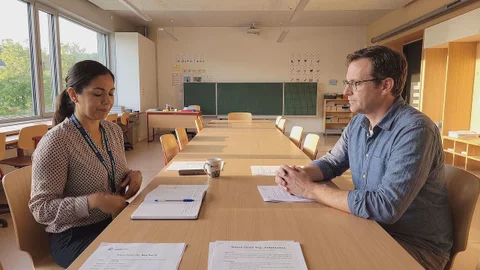
In the community center office, Rogelio, 59, a council aide, and Romain, 29, a fellow volunteer, discuss your sign-up page. Speaking slots filled within minutes; several older residents without smartphones missed out. The meeting cannot run longer, and confirmed speakers oppose shortening their promised turns because they prepared detailed comments. Adding phone reservations now means shortening everyone's turns or withdrawing some confirmed slots.
The scene
Rogelio: People prepared for their confirmed slots. Shortening their turns breaks that promise.
Romain: But withdrawing some slots seems worse. Shorter turns could include excluded neighbors.
Rogelio: Their comments may need that time. How would we choose who loses?
Romain: Neither option feels fair, but leaving those neighbors out isn't neutral either.
The two questions
- 1How would you address the allocation of speaking time, and what would you say to Rogelio and Romain?
- 2Tell us about a time you noticed that a process that seemed fair left some people out. What did you do?
What raters look for
- Equity
- Notices unequal access or treatment and acts fairly, especially for people with less power.
- Problem solving
- Gathers facts before acting, considers options and consequences, and chooses a workable next step.
Answer scenarios like this on the real timers
Answer both questions on the clock, and get each one scored 1–9 the way raters score. Your first set is free, no card.
Practice free