Simulate ultra-realistic mock interviews and get instant, personalized feedback to perfect your delivery for medical school admissions.
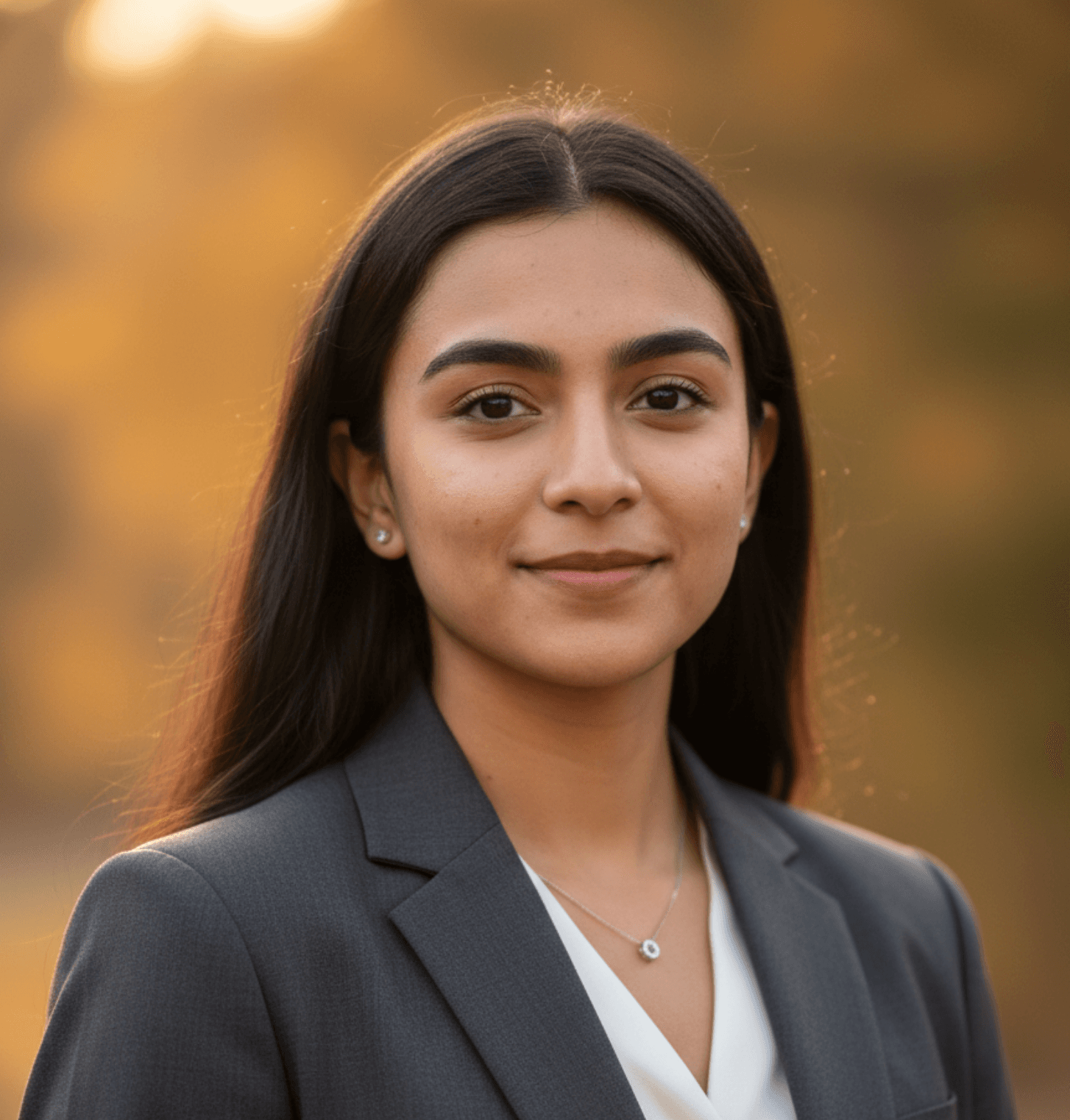

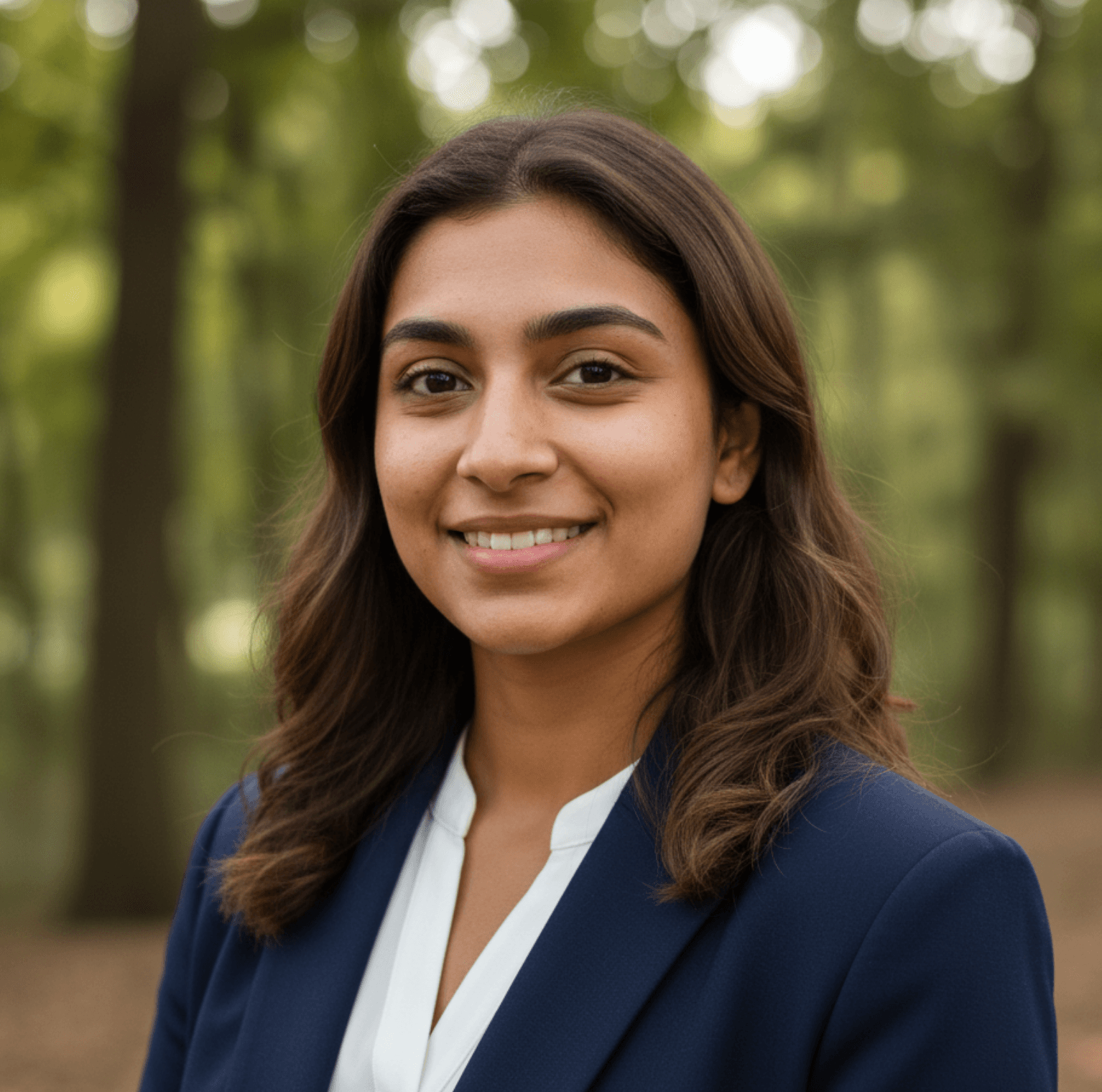
“Confetto showed me the answer moments that sounded rushed, vague, or missing empathy. The rewrite suggestions made my next mock feel different.”
6,731+ applicants accepted at top medical schools, with over 1.3 million minutes of practice completed.











Tell us your school. We build your plan, teach you the interview, run mocks in your school's format and show you exactly what to change.
Tell us your schools and dates. We map out every day until your interview, so you know what to do each day.
“I had only a few weeks between secondaries and interviews. Confetto let me get three or four reps a day…”
Our Zero to Hero course: short lessons on everything interviewers look for, with practice in every one.
Short lessons
3 to 5 min each
Practice in every lesson
3+ checks each
“My interviewer even commented on how structured my answers were—exactly what Confetto drilled into me every session.”
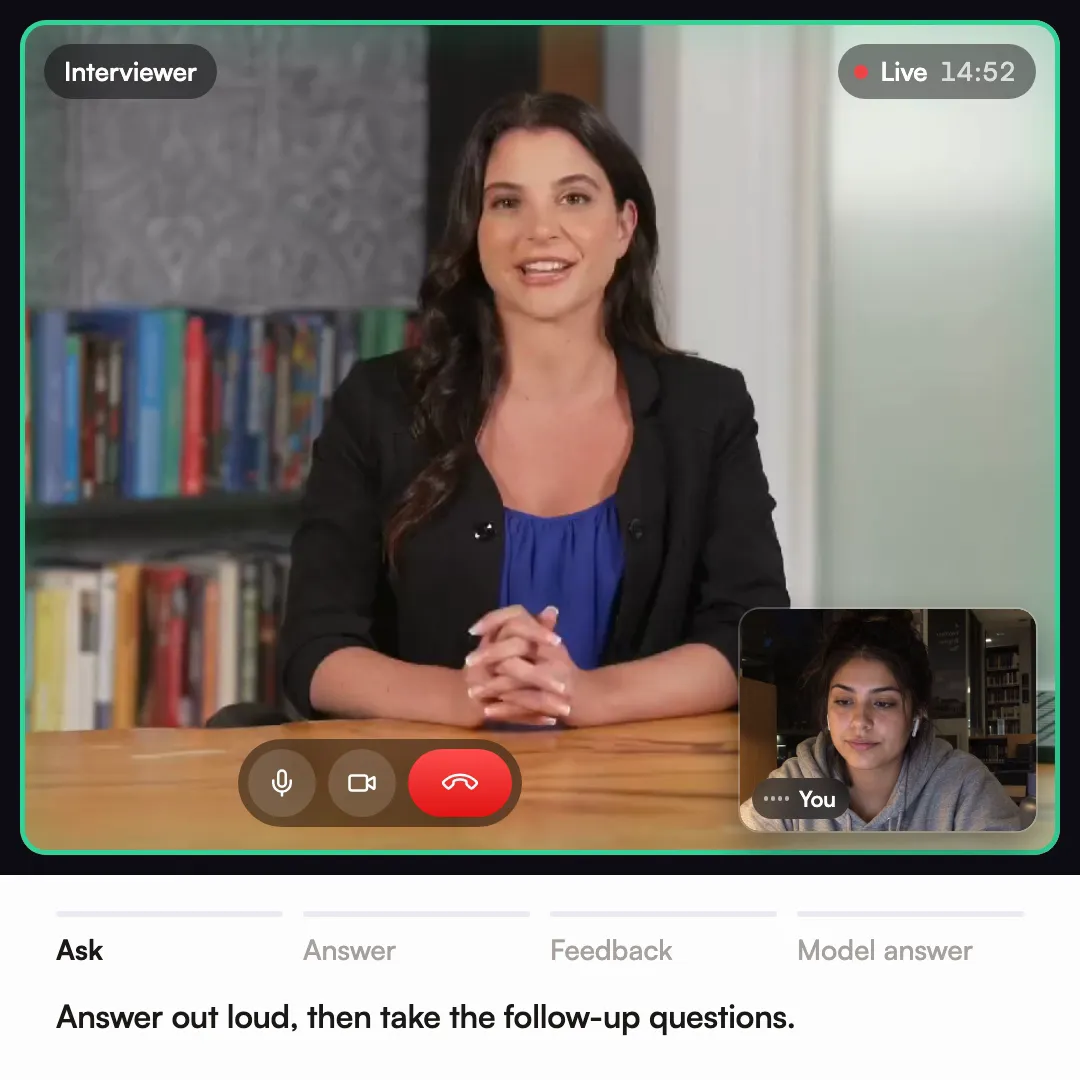
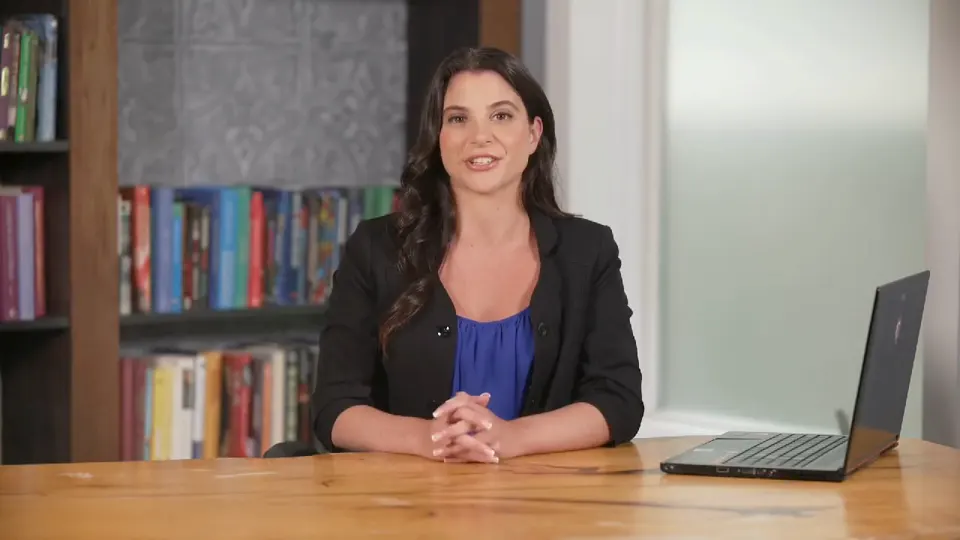
A live AI interviewer that runs your school's format and asks follow-ups on what you just said, out loud.
“Confetto's AI interviewer challenged me with realistic follow ups and kept the timing authentic.”
A score and line-by-line edits to what you actually said, seconds after you answer, so you can fix it right away.
Score out of 100
Every answer
Line-by-line edits
In seconds
“The platform nudged me to deepen my ethical answers and gave sample language I used on interview day.”
 AI interviewer
Three free mocks are enough to see your score, review your delivery, and understand your highest-impact improvements.
Start 3 free mocksUsed by 14,000+ students
Practice every question type, run pressure-tested mocks, then get video, tone, and phrase-level feedback ChatGPT simply can't give you.
Aside from a desire to help people, what has been the primary motivation for your decision to pursue medicine?
A strong answer opens
“I want to turn someone’s uncertainty into a clinical plan I can explain and stand behind.”
800+ MMI, traditional, and ethical questions. Filter by competency or school and rehearse against model answers.
 University of Michigan · MMI station 3Live 06:12
 Interviewer
Pick your school and the AI interviewer runs its format: MMI, panel or traditional, with follow-ups on what you just said and a live transcript.
 Your answer · 2:14Posture open · Smiling
Eye contact, pacing, filler words, body language, and vocal warmth — the non-verbal signals ChatGPT can't see or hear.
“I’d explain why the surgery is necessary and make sure she agrees.”
“I’d ask what worries her most, explain the options plainly, and respect her choice.”
Rubric scores across empathy, ethics, structure, and delivery — with transcripts and the exact phrasing to use next.
Maya S.U of TNoah P.UCLAPriya K.ColumbiaEthan W.Michigan“I used Confetto to stay sharp while on multiple waitlists. The school-specific questions matched the re-interview questions I saw.”
Pick your school, answer out loud, and see exactly what to change before the real interview.
Start 3 free mocksUsed by 14,000+ students
A few of the medical school questions you'll practice, from the bank the AI interviewer draws on. Pick a set, read a sample answer, or practice one now.
“Why do you want to be a doctor, and why not a nurse or a PA?”
336 practiced this week“A patient with Down syndrome is pregnant and wants to keep the baby. Her mother and husband want her to have an abortion. What do you do?”
66 practiced this week“What is the biggest problem facing health care in the US today?”
“A Jehovah's Witness patient refuses a blood transfusion they need to survive. What do you do?”
22 practiced this weekConfetto prepares you for interviews across a wide range of healthcare programs—so you can train with confidence, no matter your path.
See your estimated quartile in minutes, with one of your answers rewritten stronger.
Ask ChatGPT for a mock interview. Confetto picks a question, you answer out loud, and the feedback comes right back to your chat.
What students say about prepping with Confetto.
Start with 3 free interviews, get a score report, and see exactly what to improve before interview day.
The same view applicants see after a Confetto mock: rubric scores, your own answer improved line by line, video coaching, and exact next steps before the real interview.
The full report after a live mock — same view inside the product.
You validated the patient's concern before moving into shared decision making.
Strong autonomy framing. Add one sentence on capacity and informed consent.
Clear opening, but your final recommendation needed a sharper summary.
You opened with empathy and held space for the patient's autonomy — the strongest move in this station. The clearest unlock is naming capacity and informed consent before your recommendation, and tightening the final sentence so it lands.
86
You scored 86. With these two changes, about 91.
“If they still refused, I would explain why the surgery is necessary and try to convince them.”
Leads with capacity and consent instead of persuading, which is what the rubric scores. Ethical reasoning
“So overall, I think it depends on the situation.”
Ends on a clear recommendation: values, plan, safety net. Structure
What you did well
“I would first confirm the patient understands the risks, then ask what matters most to them.”
Strong patient-centered framing. You led with autonomy instead of arguing for the procedure.
Sample only. Your real report uses your transcript, video, and school rubric.
Start with 3 free mock interviews, then upgrade when you are ready for unlimited practice.
Confetto replaces a coach, a course and a practice partner: realistic interviews in your school's format, with feedback seconds after every answer.
Features | Confetto | Coach | Course | Buddy |
|---|---|---|---|---|
Practice out loud, any hour | By appointment | When they're free | ||
Unlimited mock interviews | Limited | Varies | ||
Feedback seconds after every answer | ||||
Score out of 100 and line-by-line edits | Their notes | |||
Video, tone & body-language analysis | Sometimes | |||
Full Casper Prep included | ||||
Never cancels on you | ||||
Judge-free practice | Varies | Varies | Sometimes | |
Price | Unlimited from $149 | ~$600/session | One-time fee | Free |
Full access to Confetto's AI interviewer. Start with 3 free mock interviews before choosing a plan—cancel anytime.
For an interview in the next few days
Unlimited mock interviews
per week
Start 3 free mocksBilled weekly
Included at no extra cost
Practice library
For the weeks before your interviews
Unlimited mock interviews
per month
Start 3 free mocksSave $347 a month compared to weekly
Included at no extra cost
Practice library
For the whole cycle, every interview in it
Unlimited mock interviews
per month, billed $579 yearly
Start 3 free mocksSave $3,009 compared to monthly
Included at no extra cost
Practice library
Start with 3 free mock interviews · secure checkout with Stripe
Real applicants, real acceptances, in their own words.
“Confetto let me practice MMIs on my own schedule and still get detailed feedback within minutes. I swapped expensive coaching for daily AI mocks and walked into interviews calm and prepared.
The platform nudged me to deepen my ethical answers and gave sample language I used on interview day.”

Maya S.
Accepted to University of Toronto MD Program
“I was nervous about situational judgement questions. Confetto's AI interviewer challenged me with realistic follow ups and kept the timing authentic.
Seeing the score breakdown by communication, empathy, and reasoning made it obvious where to focus before my next station.”

Noah P.
Accepted to UCLA David Geffen School of Medicine
“Confetto mirrored the pressure of my panel interviews. Transcripts with timestamps made it easy to review tone, filler words, and pacing.
My interviewer even commented on how structured my answers were—exactly what Confetto drilled into me every session.”

Priya K.
Accepted to Columbia Vagelos College of Physicians and Surgeons
“I had only a few weeks between secondaries and interviews. Confetto let me get three or four reps a day without coordinating schedules.
The AI flagged when I skipped reflective pauses and coached me on slowing down—completely changed how I interviewed.”

Ethan W.
Accepted to University of Michigan Medical School
“I used Confetto to stay sharp while on multiple waitlists. The school-specific questions matched the re-interview questions I saw.
It helped me keep the patient, confident tone admissions kept mentioning. I couldn’t have done it without those constant reps.”

Rachel M.
Accepted to University of Pennsylvania Perelman School of Medicine
+16 Respect, then your reason
Three free mocks, each with a score out of 100 and line-by-line edits to what you said.
Start 3 free mocksUsed by 14,000+ students
Everything you need to know about Confetto, answered in one place.