191 practice scenarios
Casper problem solving questions: how to answer them
Problem-solving questions give you a mess with a clock on it: two managers who both need you now, a lost child at a festival, flyers printed with the wrong date. Raters look for someone who gets the facts, weighs realistic options and picks one for reasons they can explain.
How to answer a Casper problem solving question
- 1
Say what matters most right now
Safety first, then what cannot be undone, then everything else. State your priority and why.
- 2
Ask the one question that changes the answer
How long does the truck load take? Can the venue do Sunday evening? One piece of information often decides it.
- 3
Lay out two options and choose
Name the realistic choices and what each costs, then commit to one. Listing options without choosing is not an answer.
- 4
Tell people and plan for it failing
Say who you would inform and what you would do if your first choice does not work.
A worked example
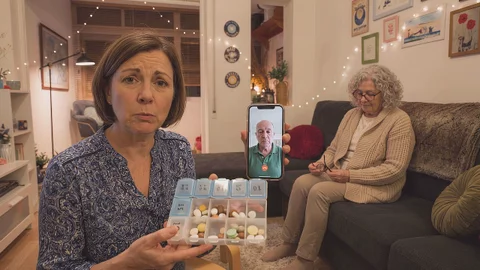
From Your grandmother's pill organizer doesn't add up. You are visiting your grandmother, who lives alone. You notice that her weekly pill organizer has Monday's pills still in it on Friday, and some of Thursday's are missing. Later that evening, your mother and your uncle argue on the phone while you listen.
How would you approach your grandmother, your mother and your uncle about the missed pills?
Here is a typical first attempt, scored on the 1–9 scale raters use, and the changes that would raise it.
5.0
This answer scores 5.0 out of 9. With these 3 changes, about 6.5.
I’d tell my grandmother I noticed the missed pills and that I’m worried, then ask her to use a pill organizer with reminders so this doesn’t happen again. I’d tell my mother and uncle to stop arguing and focus on helping her manage her medication.
- 1+0.5
Swap
ask her to use a pill organizer with reminders
forask what happened and whether taking them has been difficult
This gathers her perspective before deciding that reminders will help, rather than assuming what caused the missed doses.
- 2+0.5
Swap
so this doesn’t happen again
forchecking with her pharmacist or doctor about the missed doses and options like reminders or packaged doses
This adds a practical way to understand the medication concern and choose support based on the facts, rather than promising one solution will prevent it.
- 3+0.5
Swap
focus on helping her manage her medication
fortalk through those options with her, so she can help decide what support works for her
This makes your grandmother an active decision-maker and redirects the family toward a calm, collaborative next step.
The first attempt is an example written by Confetto, not a real applicant's answer. The score and the changes are from Confetto's Casper coach. Not an official score.
Common mistakes
- Picking the first option without mentioning any other.
- Trying to do everything at once so nobody is disappointed.
- Deciding alone when the person who should decide is reachable.
Practice problem solving questions on the real timers
Answer on the clock and get each answer scored 1–9 the way raters score, with your own answer improved line by line.
Start my free trial