286 practice scenarios
Casper communication questions: how to answer them
Communication questions test how you handle a hard conversation: giving feedback someone does not want, calming an angry parent, correcting a rumour, passing on bad news. Raters look for someone who listens first, speaks clearly and respectfully, and fits the message to the person hearing it.
How to answer a Casper communication question
- 1
Listen first, and say that you would
Let the person finish. Reflect back what you heard so they know you understood before you respond.
- 2
Write the words you would use
Raters score what you would actually say. Give one or two real sentences, not "I would communicate clearly".
- 3
Be honest about what you cannot do
Do not soften bad news into something vague. Say clearly what is and is not possible, and why.
- 4
Offer a next step and check it landed
End with something concrete the person can do, and ask whether it makes sense to them.
A worked example
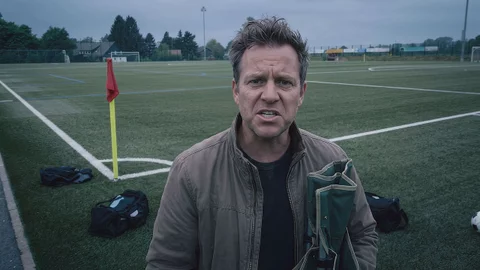
From Not on the team. You volunteer as coordinator for a youth soccer league. Coaches have picked the travel team. A parent whose 11-year-old was not selected finds you at the field after practice.
How would you respond to this parent's demand to reverse the team selection?
Here is a typical first attempt, scored on the 1–9 scale raters use, and the changes that would raise it.
5.5
This answer scores 5.5 out of 9. With these 4 changes, about 7.5.
I’d tell the parent I’m sorry their son is so upset, but I can’t reverse the selection just because they’re unhappy with it. The coaches chose the team, and I’d explain that the decision should be based on the players’ skills and the league’s process.
- 1+0.5
Swap
but I can’t reverse the selection just because they’re unhappy with it
forand listen before explaining that I can’t reverse it on the spot
This keeps your appropriate boundary but avoids sounding dismissive of the parent’s concern. Listening first lets you understand what they believe was unfair before responding.
- 2+0.5
Swap
The coaches chose the team
forThe coaches should follow the league’s selection process
This shifts from simply citing the coaches’ authority to naming the process that should guide the decision. It makes your explanation more accountable and less likely to sound like you are automatically defending the coach.
- 3+0.5
Swap
the decision should be based on the players’ skills and the league’s process
forI could help the parent contact the appropriate person to ask whether it was followed
Your original answer did not give the parent a way to have their concern considered. A review route is fair without implying that the decision will change.
- 4+0.5
Add
I’d also suggest asking the coach for specific feedback for their son and what other opportunities he has to play and improve.
This adds a constructive next step for the child, whose disappointment is central to the situation. It gives the parent something useful to do even if the selection stands.
The first attempt is an example written by Confetto, not a real applicant's answer. The score and the changes are from Confetto's Casper coach. Not an official score.
Common mistakes
- Explaining your position before the other person has been heard.
- Being so gentle that the message never arrives.
- Having the conversation in front of other people when it could be private.
Practice communication questions on the real timers
Answer on the clock and get each answer scored 1–9 the way raters score, with your own answer improved line by line.
Start my free trial