226 practice scenarios
Casper written scenarios: how to answer them
Written scenarios give you a short paragraph or a statement to read instead of a video, followed by two questions. In the typed response section you answer both questions on one page in three and a half minutes, so typing speed and structure both matter.
How to answer a Casper written scenario
- 1
Read the questions as well as the scenario
Both questions are on the page. Glance at them first so you read the scenario knowing what you need from it.
- 2
Split your time on purpose
Roughly half for each question. A strong first answer and a blank second one scores worse than two solid ones.
- 3
Write in full sentences, in order
What you would do, why, the other person's side, and your next step. Do not waste time on spelling or formatting.
- 4
For statements, take a position and qualify it
Say whether you agree, give your reason, then say when the opposite would be true.
A worked example
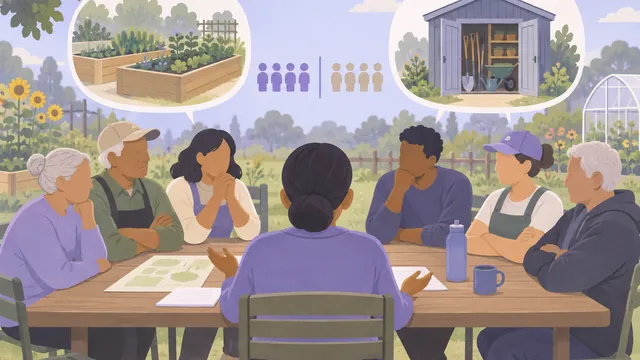
From The tied committee. You chair the volunteer committee of a community garden. The committee must decide how to spend a small grant. Half the members want raised beds so older gardeners can keep planting; the other half want a tool shed that everyone would use. The vote is tied, the deadline to spend the grant is in two weeks, and two long-time volunteers have said they will quit if their option loses.
How would you move the committee toward a decision?
Here is a typical first attempt, scored on the 1–9 scale raters use, and the changes that would raise it.
5.0
This answer scores 5.0 out of 9. With these 4 changes, about 7.0.
I’d suggest we use the grant for raised beds, since they make it possible for older gardeners to keep taking part. I’d explain that we need to make a choice before the deadline and ask the committee to accept the vote, even if some members are disappointed.
- 1+0.5
Swap
I’d suggest we use the grant for raised beds
forI’d first ask each group what need their option addresses
This replaces a decision made before hearing the committee with a step that gathers relevant perspectives and avoids treating one proposal as the default.
- 2+0.5
Swap
they make it possible for older gardeners to keep taking part
forRaised beds support older gardeners’ access, while a shed may help everyone
This retains your concern for access while acknowledging the value of the competing option, giving the decision a more balanced basis.
- 3+0.5
Swap
ask the committee to accept the vote
forsee whether partial funding or a phased plan could meet both needs
The original moves directly to acceptance without testing alternatives; this adds a realistic way to reduce the conflict while respecting the grant limit.
- 4+0.5
Swap
even if some members are disappointed
forspeak with the two volunteers who may leave, hear their concerns, and invite them to help with what comes next
This turns general acknowledgment of disappointment into follow-up with the people most affected and makes an effort to repair the risk of losing them.
The first attempt is an example written by Confetto, not a real applicant's answer. The score and the changes are from Confetto's Casper coach. Not an official score.
Common mistakes
- Spending all the time on question 1.
- Restating the scenario before answering.
- Sitting on the fence on a statement without ever giving a view.
Practice written scenarios on the real timers
Answer on the clock and get each answer scored 1–9 the way raters score, with your own answer improved line by line.
Start my free trial